

Introduction
Importance of record-keeping in dairy farming is vital to success.
Accurate records help monitor cow health and milk output.
Proper documentation aids breeding timing and feed optimization.
This article explores how records improve profits and herd performance.
🐄 1. Monitoring Milk Production
Keeping daily milk yield per cow pinpoints issues fast.
A sudden drop may indicate illness, stress, or feed problems.
Farmers can then act promptly to diagnose and treat.
This boosts overall milk production with quick responses.
Analyzing yield trends helps select top cows for breeding.
🩺 2. Tracking Health and Fertility
Record cow vaccinations and treatments to prevent disease spread.
Fertility logs help track heat cycles and conception success.
Documenting calving dates aids in scheduling breedings on time.
This planning improves breeding efficiency and reduces empty days.
🌾 3. Improving Feed Efficiency
Feed is the highest cost in dairy farming.
Logging feed intake per cow helps match nutrition to needs.
Comparing feed with milk output shows inefficiencies.
Adjusting feed blends under advisor guidance saves money.
💰 4. Financial and Inventory Management
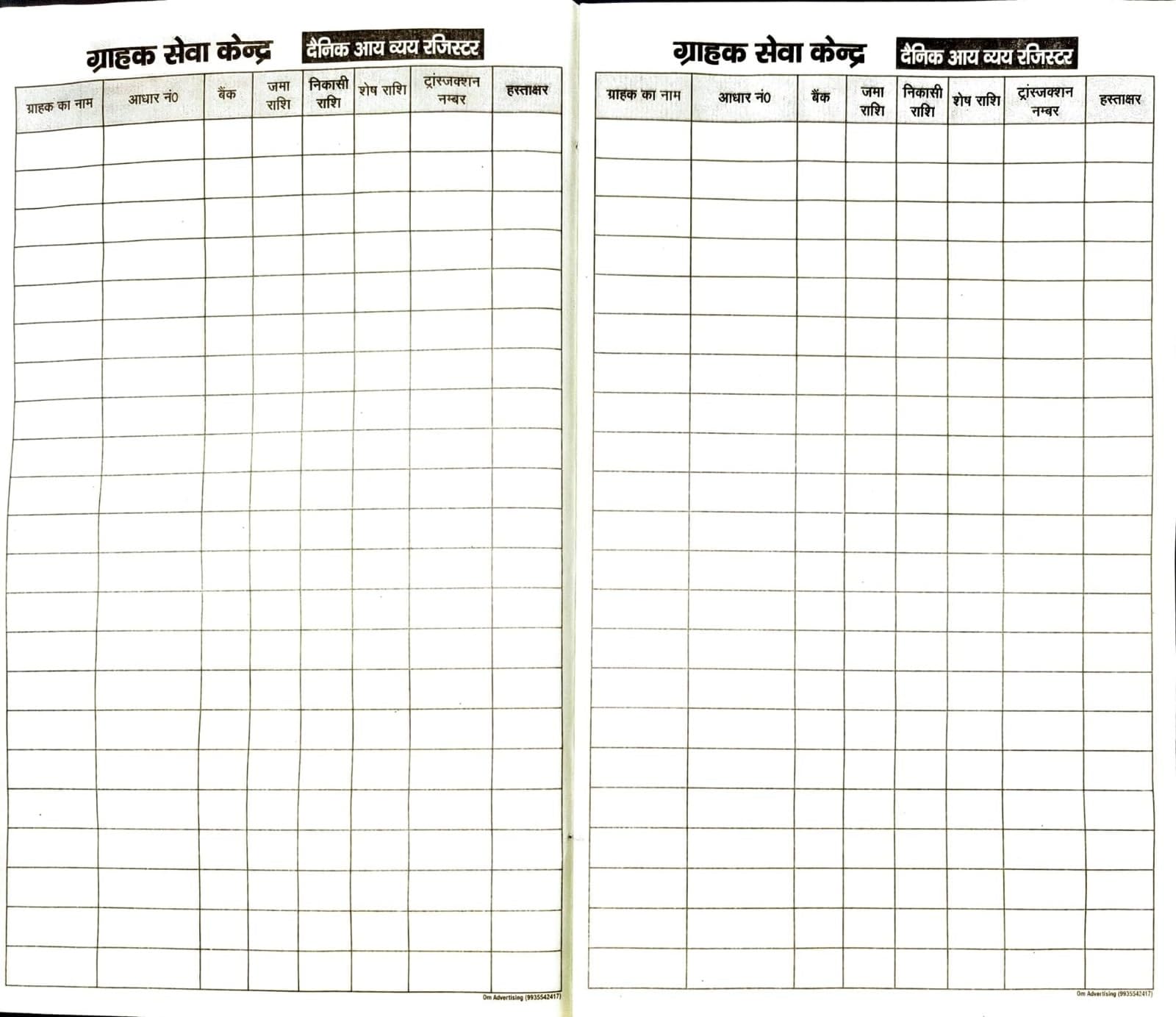
Farm records include income, costs, and equipment logs.
This financial data helps with budgeting and profitability.
Accurate records are needed for loans and tax compliance.
Keeping inventory logs avoids overstocking or shortages.
📈 5. Data-Driven Decision Making
Historical data supports informed decisions about herd growth.
Farmers can evaluate costs by comparing inputs and outputs.
Records help decide which cows to cull or keep.
This practice enhances productivity and herd quality.
🧠 6. Improved Labor and Task Management
Daily records show tasks done on each cow.
They help organize labor and assign duties effectively.
Summaries streamline routine work and reduce mistakes.
🐮 7. Breeding Efficiency and Reproductive Control
Record-keeping improves tracking of reproduction cycles.
Calving, heat, and insemination dates guide breeding choices.
Farmers can detect fertility issues early and respond.
🏥 8. Disease Detection and Prevention
Detailed health logs reveal recurring disease patterns.
Timely vaccinations and treatments limit outbreaks.
Records support veterinary diagnosis and herd health plans.
🏛️ 9. Compliance and Access to Services
Many agencies require proper records to grant aid or loans.
Export dairies need documented treatment logs.
Tax filings need sales, expense, and asset data.
🧩 10. System Options: Paper vs Digital
Paper logs work well on small farms.
They are simple but require time and effort to maintain.
Digital systems save time and aid in data analysis.
Many farms use hybrid systems with both paper and digital.
🌍 11. Long-term Sustainability
Records help farms plan for droughts or feed shortages.
Environmental record logs track fertilizer and water use.
This supports eco-friendly, sustainable farm practices.
📋 12. Best Practices for Dairy Records
- Record calving, breeding, and health events immediately.
- Log milk yield daily and review trends weekly.
- Track feed amounts and sources per cow.
- Maintain expense and sales ledgers.
- Use software or notebooks to avoid duplication.
- Analyze KPIs monthly for action plans.
👩🌾 13. Real-World Benefits
Farmers can benchmark their performance using logs.
Record-based breeding improves herd quality.
Lower costs and higher milk yield raise profits.
Insurers use records to process claims faster.
🔧 14. Tools and Resources
- Dairy Herd Improvement (DHI) programs assist milk and health tracking.
- Local extension services and farm advisors help implement systems.
🧮 15. Software Tools for Smarter Dairy Records
Digital tools are changing modern dairy farms.
They reduce manual effort and avoid data loss.
Here are a few software options dairy farmers use:
✔️ BoviSync
Tracks cow health, milk, breeding, and feed data.
Cloud-based with mobile access for remote management.
✔️ MooMonitor
Wearable device records cow movements and behavior.
Helps track fertility and early illness detection.
✔️ Afimilk
Supports automatic milk yield logging and feeding schedules.
Used on large farms to improve efficiency.
✔️ Excel + Google Sheets
Affordable and easy for small farms.
Custom templates track health, income, and milk output.
Use digital backups to avoid paper loss or damage.
📘 16. Real Farmer Case Study
🧑🌾 Case: Mr. Suresh from Maharashtra
Mr. Suresh owns a 25-cow dairy in Jalgaon.
Earlier, he used a notebook to log milk and feed.
He switched to a mobile app in 2023.
Now, his farm tracks yield, costs, and calving dates.
The result: his monthly milk yield rose by 12%.
Expenses dropped 8% due to better feed matching.
This shows the power of record-based decisions.
⚠️ 17. Challenges in Record-Keeping
Many small farmers face challenges in documentation.
Here are common issues and simple solutions:
| Challenge | Solution |
|---|---|
| Low literacy | Use picture-based apps or voice notes |
| Time limits | Allocate 10 minutes post-milking for logs |
| Fear of tech | Attend workshops or use simple tools |
| Paper loss | Scan documents to phone memory or email |
Good records don’t need complex systems.
Consistency matters more than fancy tools.
💡 18. Tips to Maintain Daily Records
- Use waterproof notebooks or mobile apps.
- Create a fixed time daily for logging.
- Train workers on how and why to record.
- Use cow tags with IDs for fast updates.
- Review your records every Sunday.
- Backup files on Google Drive or pen drives.
Routine makes record-keeping easy and stress-free.
🏛️ 19. Government Support and Subsidies
Indian dairy farmers get help from various schemes.
Many require proper documentation and farm records.
Here are top schemes linked to good records:
🐮 NABARD Dairy Scheme
Offers loans for sheds, equipment, and animals.
Requires milk yield logs and income-expenditure data.
🐄 Rashtriya Gokul Mission
Promotes indigenous cow breeding.
Asks for breeding, calving, and AI records.
🧾 PM Kisan Credit Card (KCC)
Needs record-based income proof for credit approval.
Keep updated records to avail maximum benefits.
🛠️ 20. Future of Dairy Record-Keeping
AI and sensors are the future of record systems.
Smart collars already track cow health live.
Machine learning analyzes milk patterns for alerts.
Blockchain ensures traceability in milk supply chains.
Indian startups are also working on low-cost tech.
Farmers who adopt data tools early gain an edge.
🔚 Conclusion (Optional Expansion)
Record-keeping in dairy farming is no longer optional.
It ensures animal health, good profits, and smooth work.
Whether paper or software, daily logs are vital.
Start simple, stay consistent, and grow with data.
Gateway to dairy production and products | Food and Agriculture Organization of the United Nations